
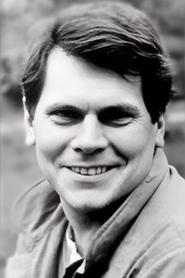
12/05/1950
Riga, Latvian SSR, USSR:
Juris Podnieks was born in Riga, Latvia in 1950. He graduated from the celebrated Soviet film school, VGIK, in 1975. He went to work at the Riga studio, first as assistant cameraman, then as cameraman before finally becoming a director in 1979. His first production "The Cradle" won a prize at the Leipzig Festival, and shortly afterwards "The Brothers Kokari” took first prize at the Kiev Youth Festival in 1981. In the same year he received wide recognition inside and outside of the Soviet Union for his film „Constellation of Riflemen” which won honours in the 17th All State Festival in Leningrad, and also the Latvian Kosovo prize. The film which first won him international recognition was "Is It Easy To Be Young?” which exploded many popular myths about Soviet youth. Juris happened to shoot some footage of young people at a rock concert in July 1985, which achieved some notoriety because a train returning to Riga afterwards was badly vandalised. He tracked down some of the youngsters and questioned them about their lives and aspirations. Two of them were tried and convicted of criminal damage on the train, and Juris managed to bluff his way into the courtroom to film the trial. The film broke box-office records in the Soviet Union and was later shown across the world. Podnieks’ collaborations with British Television (Central TV and Channel 4) have been very rewarding, giving British viewers insights and perceptions into events inside the Soviet Union. "Hello, Do You Here Us?” a five part documentary, was filmed over a three year period: showing unrest in Uzbekistan, survivors of the earthquake in Armenia, striking workers in Yaroslavl and former residents returning to Chernobyl. "Red Hot”, the first film in the series, was awarded the coveted Prix Italia. Podnieks’ later films were constructed around the rising tide of nationalism in the Baltic States. "Homeland” was an inspiring record of the outpouring of feeling accompanying Song Festival in Latvia, Estonia and Lithuania at which hauntingly beautiful songs banned for 50 years were sung by massed choirs. While filming the follow-up to "Homeland”, Podnieks and his crew came under sniper fire during a disturbance in Riga. This incident, still a subject of some controversy, is under investigation by the Latvia authorities. Andris Slapins, a long time friend and collaborator was killed instantly and Gvido Zvaigzne, who had worked with Juris filming, "Hello, Do You Hear Us?” died later from his injuries. Both shared camera credits on "Homeland” with Podnieks. The incident was captured on video and was broadcast as a postscript to "Homeland”. Podnieks used a mixture of interviews, music and archive footage to create a uniquely poetic form of documentary without the intrusion of voice-over. At the time of Podnieks’ tragic death he was developing a new project which later was included in the film “Unfinished Business” made by his colleagues.


|
Podnieks par Podnieku. Laika liecinieks (2024) as Self (archival footage) |

|
Flashback (2003) as |

|
Klusuma stunda (1992) Director |
|
|
Klusuma stunda (1992) Writer |
|
|
Klusuma stunda (1992) Director of Photography |

|
Naivie (1992) Producer |

|
Pēcvārds (1991) Director |
|
|
Pēcvārds (1991) Director of Photography |

|
Impērijas gals (1991) Director |
|
|
Impērijas gals (1991) Writer |
|
|
Impērijas gals (1991) Director of Photography |

|
Red Hot (1990) Director |

|
Krustceļš (1990) Director |
|
|
Krustceļš (1990) Writer |
|
|
Krustceļš (1990) Producer |
|
|
Krustceļš (1990) Director of Photography |
|
|
Игры доброй воли (1986) Director of Photography |

|
Vai viegli būt jaunam? (1986) Director |
|
|
Vai viegli būt jaunam? (1986) Writer |

|
Veļ Sīzifs akmeni (1985) Director |
|
|
Veļ Sīzifs akmeni (1985) Writer |

|
Komandieris (1984) Director |

|
Latvija – manas mājas (1983) Cinematography |

|
Strēlnieku zvaigznājs (1982) Director |
|
|
Strēlnieku zvaigznājs (1982) Writer |

|
О спорт, ты - мир! (1981) Camera Operator |
|
|
Krustsolis (1981) Cinematography |

|
Saruna ar karalieni (1980) Director of Photography |
|
Puikas, zirgos! (1979) Director |
|
|
Puikas, zirgos! (1979) Writer |
|
|
Puikas, zirgos! (1979) Director of Photography |

|
Imants Ziedonis. Portrets locījumos (1979) Director of Photography |

|
Brāļi Kokari (1978) Director |
|
|
Brāļi Kokari (1978) Director of Photography |

|
Vecāks par 10 minūtēm (1978) Director of Photography |

|
Raimonds Pauls. Portrets ar mūziku (1977) Camera Operator |

|
Ceturtā dimensija (1977) Director of Photography |

|
Aizliegtā zona (1975) Director of Photography |
|
|
Māksla Nr.3 (1975) Cinematography |