
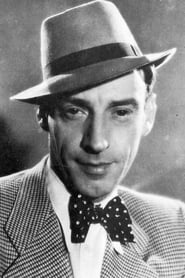
11/23/1902
Kecskemét, Hungary:
Kálmán Latabár (1902–1970) was a Hungarian comedian and film actor, perhaps the country's most popular comic in the post-war years. "Latyi" reached his peak popularity during the war years and in the early days of Hungarian television, doing stand-up comedy, operettas and musicals, and comic routines in variety shows. A talented song-and-dance man, he had impeccable comic timing. Later in life he made several successful tours in Western Europe, Israel and America, idolized by the émigré Hungarian community. He was also a regular on the numerous theater stages of Budapest and of the provincial cities of the country. Description above from the Wikipedia article Kálmán Latabár, licensed under CC-BY-SA, full list of contributors on Wikipedia.

|
Az élet muzsikája - Kálmán Imre (1984) as |

|
Irány Mexikó (1968) as Csoró |

|
Nem ér a nevem (1961) as Gyárfás, az üdülõ kultúrosa |
|
Micsoda éjszaka! (1958) as Törös Antal |

|
Fel a fejjel (1954) as Peti |
|
|
Marta Ferjet Fog (1954) as |
|
Ifjú szívvel (1953) as Matejka bácsi |
|
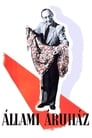
Állami áruház (1953) as Dániel |

|
Péntek 13 (1953) as Ákos |
|
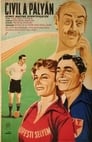
Civil a pályán (1952) as Karikás |

|
A képzett beteg (1952) as Károly |

|
A selejt bosszúja (1951) as |
|
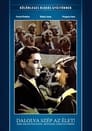
Dalolva szép az élet (1950) as Seregély Bálint |

|
Mágnás Miska (1949) as Pixi |

|
Janika (1949) as Fenek Jenõ |

|
Könnyű múzsa (1947) as Demeter Pál |

|
Hazugság nélkül (1946) as Laci |
|
|
Muki (1944) as Autóügynök |

|
Afrikai vőlegény (1944) as |

|
Egy szoknya, egy nadrág (1943) as Sóvári Péter |

|
Álomkeringő (1943) as Doretti |

|
Zenélő malom (1943) as |
|
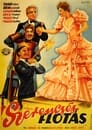
Szerencsés flótás (1943) as |
|
Egy bolond százat csinál (1942) as Egy kitalált föúr / gróf Rod-Igor Szu-Arew, Luxonia grófja |
|
Behajtani tilos (1941) as Mihály |

|
Pepita kabát (1940) as Laczffy, táncoskomikus |

|
Mária két éjszakája (1940) as Veres Laci |
|
Cserebere (1940) as |

|
Pénz áll a házhoz (1939) as Benő Ficzek |
|
Karosszék (1939) as Andai Péter |
|
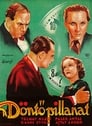
Döntő pillanat (1938) as Bálint Béci |

|
Fizessen, nagysád! (1937) as Vukovác, tornatanár |
|
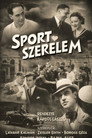
Sportszerelem (1936) as |