

11/16/1891
Cairo, Egypt:
Stéphane de Rosti was born in Alexandria. His father, Stéphane Rosti senior, an Austrian Baron, who married an Italian, bought her palace in Shoubra and decided to live there. As the mother was about to give birth to her child, the father returned to Vienna in obedience to his Aristocratic family. When Stéphane Rosti was born, she gave him his father’s name. He lived with his mother in Shoubra, and went to al-Khedeweyya school. When he got his school certificate, he decided to try to meet his father. At the same time, he got in touch with an Austrian ballet dancer in “Teatro Abbas” with whom he travelled to Vienna. He managed to meet his father there but eventually fell from favor because of his relation with the dancer, in addition to his Artistic tendencies. It was in Europe that Stéphane met the director Muhammad Kareem, was studying cinema in Germany at the time, who helped him to return to Egypt. In 1917, Rosti met Aziz Eid who was about to form his own theatrical troupe. Later, Rosti together with Nagueeb al-Rehaany presented the operetta “Al-‘ashara al-tayyeba i.e. Ten of hearts (1920)”. It was his activity in Ramsis troupe that made his colleague ‘Azeeza Ameer decide to let him complete what was considered the first Egyptian feature film “Nedaa Allaah i.e. The call of God (1927)”, eventually changed to “Laila” in 1927. The Turkish director Wedaad ‘Orfy was supposed to direct the film but he clashed with Azeeza Ameer. In addition to “Laila”, Rosti directed five films and was co-writer of six others. However, his reputation rests heavily on his acting career. Even though he was famous for playing the villain, he used to interpret such roles with a unique sense of humor that made the audience sometimes actually like and sympathize with his character. He succeeded in combining the villain and comedian, to become a comic villain. He used to take part in the writing of his character and add some words that usually became a feature of his character. It is a measure of his success that some of his lines are still remembered until this very day. Would always be remembered also for his unique accent and tone of voice especially when playing a foreigner. In 1936, Stéphane Rosti married an Italian lady called Marina, they stayed together until he died on 12 May 1964, while shooting the last scenes of “Hekaayaat noss al-leil i.e. Midnight tales”.


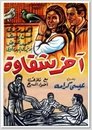
|
آخر شقاوة (1964) as |
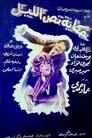
|
حكاية نص الليل (1964) as Shaker Bey |
|
كل الرجالة كده (1964) as جودت بيه ضلمه |
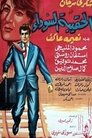
|
الحقيبة السوداء (1964) as حنفى |
|
الجريمة الضاحكة (1963) as Dr. Mamdouh الدكتور ممدوح |
|
المجانين في نعيم (1963) as dentist |
|
النشال (1963) as |
|
صراع الجبابرة (1962) as Danny |
|
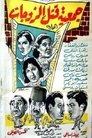
جمعية قتل الزوجات الهزلية (1962) as خواجة مانولي |
|
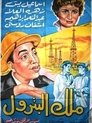
ملك البترول (1962) as Abdul Muttal Bey |
|
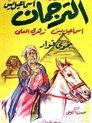
الترجمان (1961) as Rostom Bey |
|
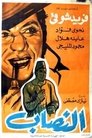
النصاب (1961) as Monsieur Jacques |
|
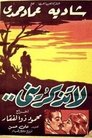
لا تذكريني (1961) as اسماعيل |

|
بلا عودة (1961) as |
|
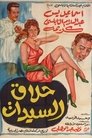
حلاق السيدات (1960) as Rashed |
|
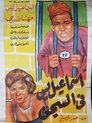
إسماعيل يس في السجن (1960) as Faraj Sharaf |
|
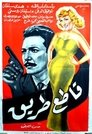
قاطع طريق (1959) as أبو العز |
|
حسن وماريكا (1959) as Yenni |
|
المليونير الفقير (1959) as Hotel Manager |

|
سيدة القصر (1958) as Shafik |
|
أبو عيون جريئة (1958) as Dr. Robin von Stubb |
|
حبيبي الأسمر (1958) as |
|
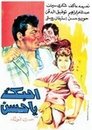
أحبك يا حسن (1958) as رجب أبو حسن |
|
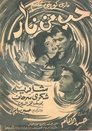
حب من نار (1958) as القائد الإنجليزى |
|
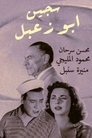
سجين أبو زعبل (1957) as |
|
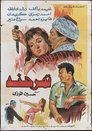
تمر حنة (1957) as رستم |
|
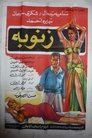
زنوبة (1956) as جنش |
|
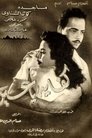
كفاية يا عين (1956) as |
|
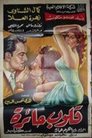
قلوب حائرة (1956) as |
|
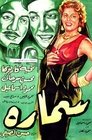
سمارة (1956) as |
|
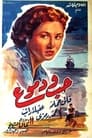
حب ودموع (1955) as Khawaga |
|
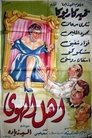
أهل الهوى (1955) as اكرم ابو شامة(الثري اللبناني) |
|
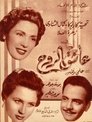
عاشق الروح (1955) as |
|
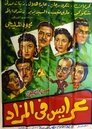
عرايس فى المزاد (1955) as شرف |
|
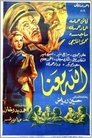
الله معنا (1955) as |
|
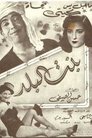
بنت البلد (1954) as |
|
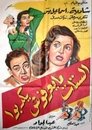
الستات ما يعرفوش يكدبوا (1954) as |
|
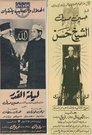
الشيخ حسن (1954) as George |

|
كدبة ابريل (1954) as رستم |
|
حسن ومرقص وكوهين (1954) as كوهين |
|
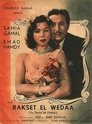
رقصة الوداع (1954) as |
|
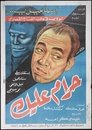
حرام عليك (1953) as |
|
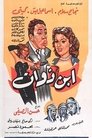
ابن ذوات (1953) as Simeon Lesha |
|
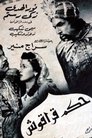
حكم قراقوش (1953) as كركور الدولة |

|
قطار الليل (1953) as أبو العز |
|
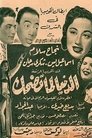
الدنيا لما تضحك (1953) as |
|
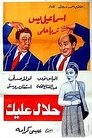
حلال عليك (1952) as Farid |
|
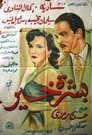
بشرة خير (1952) as Abbas Effendi عباس أفندي |
|
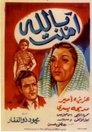
آمنت بالله (1952) as Abbas Ibrahim |
|
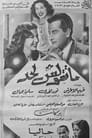
ماتقولش لحد (1952) as Ghazal Bashraf |
|
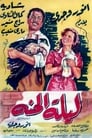
ليلة الحنة (1951) as |
|
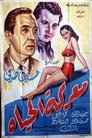
معركة الحياة (1950) as Gawdat Bey |
|
آخر كدبة (1950) as |
|
المليونير (1950) as |
|
معلهش يا زهر (1950) as محسن أفندي |
|
طريق الشوك (1950) as Soliman |
|
بلدي وخفة (1950) as |
|
شاطئ الغرام (1950) as |
|
دموع الفرح (1950) as |
|
ليلة العيد (1949) as نبيه- عصابة |

|
عفريتة هانم (1949) as قشطة |
|
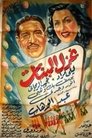
غزل البنات (1949) as مدير الكباريه |
|
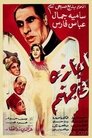
إجازه في جهنم (1949) as |

|
خيال إمراة (1948) as |
|
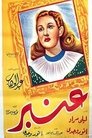
عنبر (1948) as Sousa Beh |
|
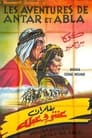
مغامرات عنتر وعبلة (1948) as |
|
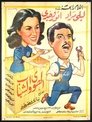
الهوى والشباب (1948) as |

|
ابن عنتر (1947) as |
|
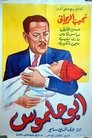
أبو حلموس (1947) as زكى أفندي |
|
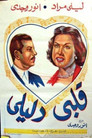
قلبي دليلي (1947) as الحنش زعيم العصابة |
|
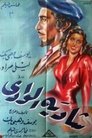
شادية الوادي (1947) as |
|
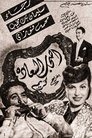
أصحاب السعادة (1946) as |
|
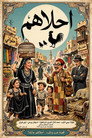
أحلاهم (1945) as |
|
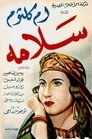
سلامة (1945) as الشاعر عمر بن ابي ربيعة |

|
المظاهر (1945) as Nabil Bey |
|
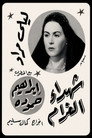
شهداء الغرام (1944) as شهاب الجزار |
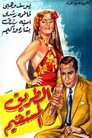
|
الطريق المستقيم (1943) as إبراهيم |

|
ابن البلد (1942) as |
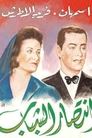
|
انتصار الشباب (1941) as طه طه |
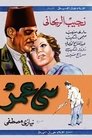
|
سي عمر (1941) as المحامي |
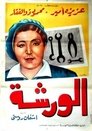
|
الورشة (1940) as على عبدالرحمن |
|
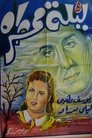
في ليلة ممطرة (1939) as رئيس العصابة |
|
زليخا تحب عاشور (1939) as |
|
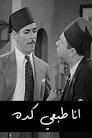
أنا طبعي كده (1938) as د.رأفت |
|
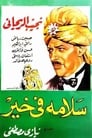
سلامة في خير (1937) as رستم باشا |
|
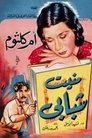
منيت شبابي (1937) as مراد |
|
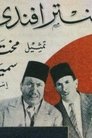
عنتر أفندي (1935) as |
|
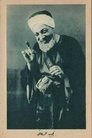
صاحب السعادة كشكش بيه (1931) as Translator Abu Al-Dabal |
|
|
البحر بيضحك (1928) as Driver |
|
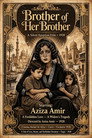
أخو أخوها (1928) as صادق درويش |
|
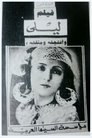
ليلى (1927) as Raouf Bey |

|
نداء الرب (1926) as Raouf Bey |
|
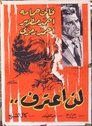
لن اعترف (1961) Story |
|
|
قاطع طريق (1959) Writer |
|
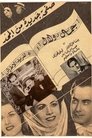
جمال ودلال (1945) Scenario Writer |
|
|
جمال ودلال (1945) Director |
|
|
أحلاهم (1945) Director |
|
|
ابن البلد (1942) Director |
|
|
ابن البلد (1942) Writer |
|
|
الورشة (1940) Director |
|
|
عنتر أفندي (1935) Writer |
|
|
عنتر أفندي (1935) Director |
|
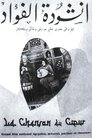
أنشودة الفؤاد (1932) Scenario Writer |
|
|
صاحب السعادة كشكش بيه (1931) Director |
|
|
البحر بيضحك (1928) Director |
|
|
أخو أخوها (1928) Story |
|
|
أخو أخوها (1928) Director |
|
|
ليلى (1927) Director |
|
|
ليلى (1927) Editor |
|
|
ليلى (1927) Writer |
|
|
نداء الرب (1926) Writer |