
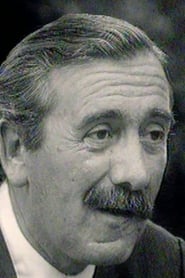
07/31/1915
Saint-Denis, Seine-Saint-Denis, France:
From Wikipedia, the free encyclopedia Henri Decaë (31 July 1915 – 7 March 1987) gained fame as a cinematographer entering the film industry as a sound engineer and sound editor. He was a photojournalist in the French army during World War II. After the war he began making documentary shorts, directing and photographing industrial and commercial films. In 1947 he made his first feature film. Decaë is strongly associated with directors who strongly influenced, or were part of, the French New Wave. These include Jean-Pierre Melville, Louis Malle and Claude Chabrol. Decaë first worked as a cinematographer with Melville on Le Silence de la Mer (1949). Decaë also edited and mixed the sound. Although Decaë worked with Melville on Les enfants terribles, which as Williams commented (1992, p333) "...the work is more accurately to be viewed as a stunning demonstration of the cinematic possibilities of faithful literary adaptation in the hands of a gifted director", according to Marie (p 88) it was his distinctive camera work on Bob le flambeur which caught the attention of the Cahiers critics. Malle hired him for his first two features and Chabrol for his first three features. They had been lucky as Decaë was finding it hard to get work at that time as he was being informally shunned by many after participating in a critical film about the Korean War. By the time Decaë worked for François Truffaut on The 400 Blows he came with a reputation, which meant that he was the highest-paid person on the film. Decaë's liking for natural light, his ability to work at speed as well as his excellent photographic sensibility led to him working with René Clément on several features beginning with Plein soleil (1960). It was Decaë "...who liberated the camera, from its fixed tripod. He made the New Wave possible, backing up Melville, Malle, Chabrol and Truffaut." (Marie, 2003 p 89)
|
La Vengeance du serpent à plumes (1984) Director of Photography |

|
Attention, une femme peut en cacher une autre ! (1983) Director of Photography |

|
Exposed (1983) Director of Photography |
|
Le Professionnel (1981) Director of Photography |

|
Inspecteur La Bavure (1980) Director of Photography |
|
Le Coup du parapluie (1980) Director of Photography |

|
The Island (1980) Director of Photography |

|
Le Guignolo (1980) Director of Photography |
|
The Hard Way (1980) Director of Photography |
|
An Almost Perfect Affair (1979) Director of Photography |

|
Flic ou Voyou (1979) Director of Photography |
|
The Boys from Brazil (1978) Director of Photography |

|
Ils sont fous ces sorciers (1978) Director of Photography |
|
Mort d'un pourri (1977) Director of Photography |
|
Bobby Deerfield (1977) Director of Photography |
|
Seven Nights in Japan (1976) Director of Photography |

|
La Course à l'échalote (1975) Director of Photography |

|
La moutarde me monte au nez (1974) Director of Photography |
|
Les Aventures de Rabbi Jacob (1973) Director of Photography |
|
Two People (1973) Director of Photography |
|
Don Juan ou si Don Juan était une femme... (1973) Director of Photography |
|
Le Droit d'aimer (1972) Director of Photography |
|
La Folie des grandeurs (1971) Director of Photography |
|
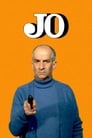
Jo (1971) Director of Photography |
|
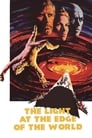
The Light at the Edge of the World (1971) Director of Photography |
|
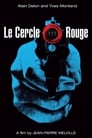
Le Cercle rouge (1970) Director of Photography |
|
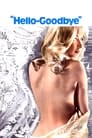
Hello-Goodbye (1970) Director of Photography |
|
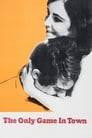
The Only Game in Town (1970) Director of Photography |
|
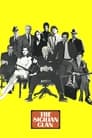
Le Clan des Siciliens (1969) Director of Photography |

|
Castle Keep (1969) Director of Photography |
|
D-Day Revisited (1968) Director of Photography |

|
Diaboliquement vôtre (1967) Director of Photography |
|
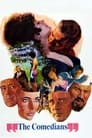
The Comedians (1967) Director of Photography |
|
Le Samouraï (1967) Director of Photography |
|
Le Voleur (1967) Director of Photography |
|
The Night of the Generals (1967) Director of Photography |
|
Hotel Paradiso (1966) Director of Photography |
|
Viva Maria! (1965) Director of Photography |
|
Le Corniaud (1965) Director of Photography |
|
Week-end à Zuydcoote (1964) Director of Photography |
|
La Ronde (1964) Director of Photography |
|
Les Félins (1964) Director of Photography |
|
La Tulipe noire (1964) Director of Photography |
|
L'Aîné des Ferchaux (1963) Director of Photography |

|
Dragées au poivre (1963) Director of Photography |
|
Le Jour et l'heure (1963) Director of Photography |
|
Cybèle ou les dimanches de ville d'Avray (1962) Director of Photography |
|
Eva (1962) Director of Photography |
|
La Paresse (1962) Director of Photography |
|
|
L'Orgueil (1962) Director of Photography |

|
La Luxure (1962) Director of Photography |
|
Les Sept Péchés capitaux (1962) Director of Photography |
|
Vie privée (1962) Director of Photography |

|
Léon Morin, prêtre (1961) Director of Photography |
|
Che gioia vivere (1961) Director of Photography |

|
Les Bonnes Femmes (1960) Director of Photography |

|
Plein soleil (1960) Director of Photography |
|
À double tour (1959) Director of Photography |
|
La Sentence (1959) Camera Operator |
|
Les Quatre Cents Coups (1959) Director of Photography |
|
Un témoin dans la ville (1959) Director of Photography |
|
Les Cousins (1959) Director of Photography |
|
Le Beau Serge (1959) Director of Photography |
|
Les Amants (1958) Director of Photography |
|
Ascenseur pour l'échafaud (1958) Director of Photography |
|
S.O.S. Noronha (1957) Director of Photography |

|
Bob le flambeur (1956) Director of Photography |

|
قناع توت عنخ آمون (1956) Director of Photography |

|
Crèvecoeur (1955) Director of Photography |
|
Au cœur de la Casbah (1952) Director of Photography |

|
Faits d'hiver (1951) Director |
|
|
Faits d'hiver (1951) Director of Photography |
|
Les Enfants terribles (1950) Director of Photography |
|
Le Silence de la mer (1949) Director of Photography |
|
|
Le Silence de la mer (1949) Editor |

|
Pour bien filmer (1937) Director |