

10/22/1925
Xanthi, Greece:
Manos Hatzidakis (also spelled Hadjidakis; Greek: Μάνος Χατζιδάκις; 23 October 1925 – 15 June 1994) was a Greek composer and theorist of Greek music, widely considered to be one of the greatest Greek composers and one of the most globally recognised. His legacy and contribution are widespread among the works of contemporary Greek music, through the second half of the 20th and into the 21st century. He was also one of the main proponents of the "Éntekhno" form of music (along with Mikis Theodorakis). In 1960, he received an Academy Award for Best Original Song for his song Never on Sunday from the film of the same name. Hatzidakis was born on 23 October 1925 in Xanthi, Greece, to lawyer Georgios Hatzidakis, who came from the village of Myrthios, Agios Vasileios in the Rethymno prefecture in Crete; and Aliki Arvanitidou, who came from Adrianoupolis. His musical education began at the age of four and consisted of piano lessons from the Armenian pianist Anna Altunian. At the same time, he learned to play the violin and the accordion. After the separation of his parents, Hatzidakis moved permanently to Athens in 1932 with his mother. A few years later in 1938, his father died in an aircraft accident. This event, in combination with the beginning of World War II, brought the family into a difficult financial situation. The young Hatzidakis earned his livelihood as a docker at the port, an ice seller at the Fix factory, an employee in Megalokonomou's photography shop and as an assistant nurse at the 401 Military Hospital. At the same time, he expanded his musical knowledge by studying advanced music theory with Menelaos Pallandios, in the period 1940-1943. At the same time, he studied philosophy at the University of Athens. However, he never completed this course. During this period, he met and connected with other musicians, writers and intellectuals. Among these were Nikos Gatsos, George Seferis, Odysseas Elytis, Angelos Sikelianos and the artist Yannis Tsarouchis. During the last period of the Axis occupation of Greece, he was an active participant in the Greek Resistance through membership of the United Panhellenic Organization of Youth (EPON), the youth branch of the major resistance organisation EAM, where he met Mikis Theodorakis with whom he soon developed a strong friendship. Although he had made a statement on the exigency of Greece's entrance to the EEC (European Economic Community, later: European Union), he believed that within the European realm, Greece would be culturally assimilated completely. In the later years of his life, Hatzidakis explained that his work was meant not to entertain but to reveal. Further, he disclaimed part of his work, written for the Greek cinema and theater, as non-representative contract undertaking of his. ... Source: Article "Manos Hatzidakis" from Wikipedia in English, licensed under CC-BY-SA 3.0.


|
Ο Μεγάλος Ερωτικός (1973) as Himself |

|
Στέλλα (1955) as Pianist |
|
Béjart, 3 regards 2025 (2026) Music |
|
castelporziano ostia dei poeti (2025) Music |

|
Húmus (2018) Music |
|
Ελεύθερη Κατάδυση (1995) Music |
|
Ήσυχες Mέρες του Αυγούστου (1991) Music |

|
Ένας Ερωδιός για τη Γερμανία (1988) Music |
|
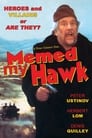
Memed My Hawk (1984) Songs |
|
|
Memed My Hawk (1984) Original Music Composer |

|
Αθήνα, επιστροφή στην Ακρόπολη (1983) Original Music Composer |
|
Ταξίδι του μέλιτος (1979) Music |
|
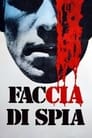
Faccia di spia (1975) Original Music Composer |

|
Sweet Movie (1974) Original Music Composer |
|
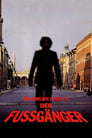
Der Fußgänger (1973) Original Music Composer |
|
|
Ο Μεγάλος Ερωτικός (1973) Music |
|
|
Ο Μεγάλος Ερωτικός (1973) Producer |
|
|
Ο Μεγάλος Ερωτικός (1973) Songs |
|
الخيط الرفيع (1971) Musician |
|
The Invincible Six (1970) Original Music Composer |

|
Blue (1968) Original Music Composer |
|
Κατάσκοποι στο Σαρωνικό (1968) Music |
|
|
Κατάσκοποι στο Σαρωνικό (1968) Songs |

|
Topkapi (1964) Original Music Composer |
|
Susuz Yaz (1963) Original Music Composer |

|
America America (1963) Original Music Composer |

|
Αλίκη αγάπη μου (1963) Music |
|
Χτυποκάρδια στο Θρανίο (1963) Music |

|
The 300 Spartans (1962) Original Music Composer |
|
It Happened in Athens (1962) Music |

|
Η Λίζα Και Η Άλλη (1961) Music |

|
Αλλοίμονο στους Νέους (1961) Music |
|
|
Traumland der Sehnsucht (1961) Original Music Composer |
|
|
Traumland der Sehnsucht (1961) Music |
|
|
Traumland der Sehnsucht (1961) Songs |
|
Αγάπη και θύελλα (1961) Music |
|
Χαμένα όνειρα (1961) Music |
|
Η Αλίκη στο Ναυτικό (1961) Music |

|
Μανταλένα (1960) Original Music Composer |
|
Το Ποτάμι (1960) Music |

|
Ποτέ την Κυριακή (1960) Original Music Composer |
|
|
Ποτέ την Κυριακή (1960) Songs |

|
Το Κοροϊδάκι Της Δεσποινίδος (1960) Music |
|
Ραντεβού Στην Κέρκυρα (1960) Music |
|
Η κυρία δήμαρχος (1960) Original Music Composer |
|
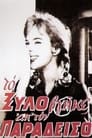
Το Ξύλο Βγήκε Απ' τον Παράδεισο (1959) Music |
|
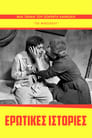
Ερωτικές Ιστορίες (1959) Music |

|
Η Λίζα Το 'σκασε (1959) Music |

|
Μια Λατέρνα Μια Ζωή (1958) Music |
|
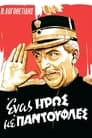
Ένας Ήρως με Παντούφλες (1958) Music |
|
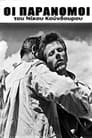
Οι παράνομοι (1958) Music |
|
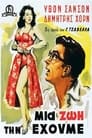
Μια Ζωή την Έχουμε! (1958) Music |

|
Το Τελευταίο Ψέμα (1958) Original Music Composer |

|
Αγιούπα, το Κορίτσι του Κάμπου (1957) Music |
|
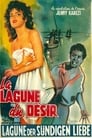
Η Λίμνη Των Πόθων (1957) Music |
|
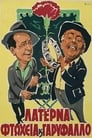
Λατέρνα, Φτώχεια και Γαρύφαλλο (1957) Original Music Composer |
|
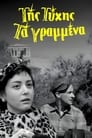
Της Τύχης Τα Γραμμένα (1957) Music |

|
Το αμαξάκι (1957) Music |
|
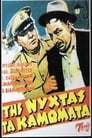
Της Νύχτας τα Καμώματα (1957) Songs |
|
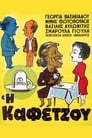
Η Καφετζού (1956) Music |

|
Ο Ζηλιαρόγατος (1956) Original Music Composer |

|
Ο Δράκος (1956) Original Music Composer |
|
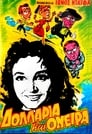
Δολλάρια και όνειρα (1956) Music |

|
Η Κάλπικη Λίρα (1955) Original Music Composer |
|
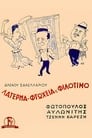
Λατέρνα, Φτώχεια Και Φιλότιμο (1955) Music |

|
Μαγική Πόλις (1955) Music |
|
|
Στέλλα (1955) Music |
|
|
Στέλλα (1955) Songs |
|
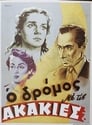
Ο Δρόμος με τις Ακακίες (1954) Music |

|
Νυχτερινή Περιπέτεια (1954) Musician |
|
|
Νυχτερινή Περιπέτεια (1954) Original Music Composer |
|
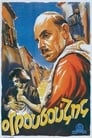
Ο Γρουσούζης (1952) Music |
|
Η Αγνή Του Λιμανιού (1952) Music |

|
Νεκρή πολιτεία (1951) Original Music Composer |
|
|
Νεκρή πολιτεία (1951) Music |

|
Αδούλωτοι Σκλάβοι (1946) Music |