
07/07/1922
Bordeaux, Gironde, France:
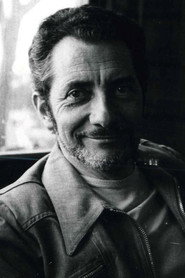
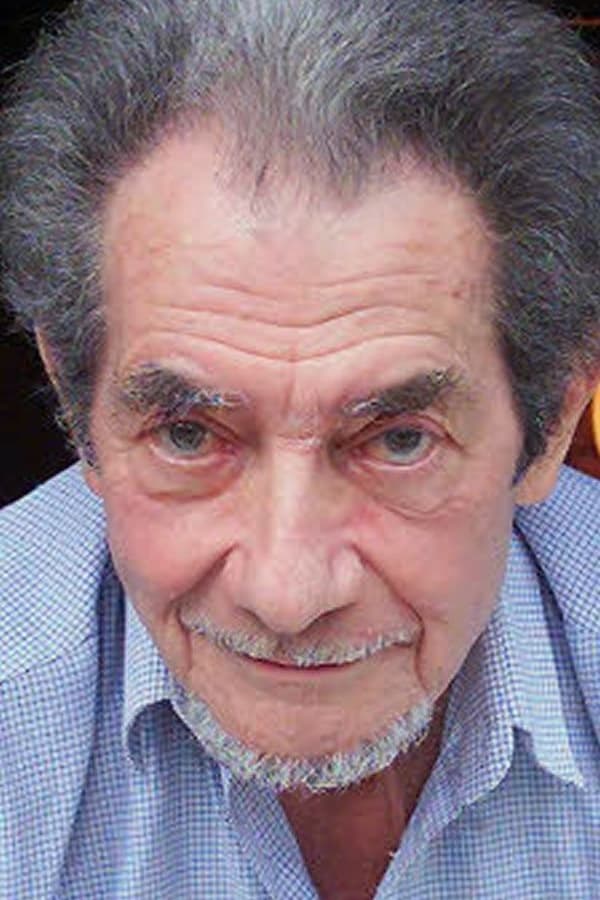
Francis Jeanson, born in Bordeaux on July 7, 1922, and died in Arès on August 1, 2009, was a French philosopher, notably known for his support of the FLN during the Algerian War. During World War II, after studying philosophy at the Faculty of Arts in Bordeaux, he escaped through Spain to avoid forced labor in Germany (STO) and joined the Free French Forces in 1943. A reporter for the newspaper Alger républicain in 1945, he met Albert Camus. Sartre entrusted him with the editorship of the journal Les Temps Modernes from 1951 to 1956. It was Jeanson himself who wrote the review of The Rebel, which definitively soured the relationship between Sartre and Camus. He became friends with Emmanuel Mounier, who in 1948 opened the doors of the journal Esprit to him, a journal then characterized by a certain "pro-communist" stance, and who facilitated his entry into the post-war intellectual circles. Mounier also brought him onto the reading committee of Éditions du Seuil and recommended him to its literary director, Paul Flamand. When Mounier died in March 1950, Albert Béguin, who was preparing the launch of the "Écrivains de Toujours" (Writers of All Time) collection at Seuil, left the publisher for the journal Esprit. Jeanson was chosen to succeed him as head of this popularization series. The ambition to disseminate culture to the widest possible audience would gain momentum thanks to him. Between 1951 and 1956, more than 30 titles appeared in "Écrivains de Toujours". From 1957, at the height of the Algerian War, he put his anti-colonial ideals into practice by creating the Jeanson Network, tasked with transporting funds to the FLN (National Liberation Front). He was then a comrade and partner of Hélène Cuénat. His clandestine network of activists was dismantled in 1960. On October 1, 1960, the verdict in the Jeanson trial was handed down: the harshest sentences were sought against fourteen defendants, including Hélène Cuénat and Francis Jeanson: they were sentenced to ten years in prison, a fine of 70,000 new francs, a five-year banishment, and the deprivation of their civil rights. Having fled abroad, Francis Jeanson was tried in absentia, found guilty of high treason, and sentenced in October 1960 to ten years' imprisonment. He returned to Paris following his amnesty in 1966, then worked with the Théâtre de Bourgogne (directed by Jacques Fornier) and was tasked with developing the cultural policy for the Maison de la Culture in Chalon-sur-Saône (1967-1971). Through this experience, he proposed and elaborated the concept of the "non-public," which was later adopted in May 1968 in the "Villeurbanne Declaration," of which he was the principal author. At the request of psychiatrists, he subsequently led initiatives advocating for an open psychiatry, a "psychiatry of the subject," and notably founded SOFOR (Sud Ouest Formation Recherche), which developed training programs for healthcare professionals. From 1984 to 1987, he served as chairman of the board of directors of the Conservatoire National Supérieur de Musique de Lyon. In 1992, he became president of the Sarajevo Association, in support of the Bosnian people, and ran as a candidate on Professor Leon Schwartzenberg's "Europe begins in Sarajevo" list for the 1994 European elections.

|
Les Vies d'Albert Camus (2020) as Self (archive footage) |
|
Roland Dumas, le mauvais garçon de la république (2018) as self |
|
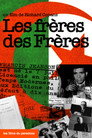
Les frères des Frères (1992) as Self (archive footage) |
|
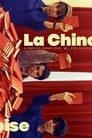
La Chinoise (1967) as Francis |