03/23/1910
Shinagawa, Tokyo Prefecture, Japan:
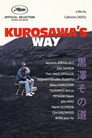
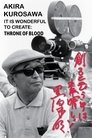
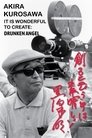
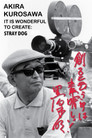
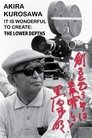
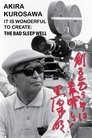
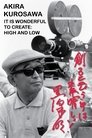
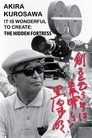
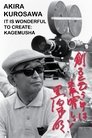
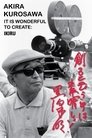
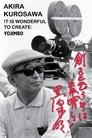
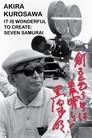
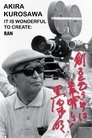
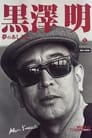
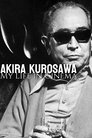
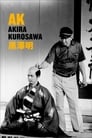
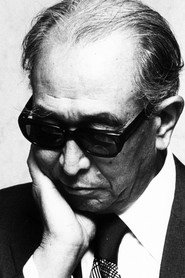
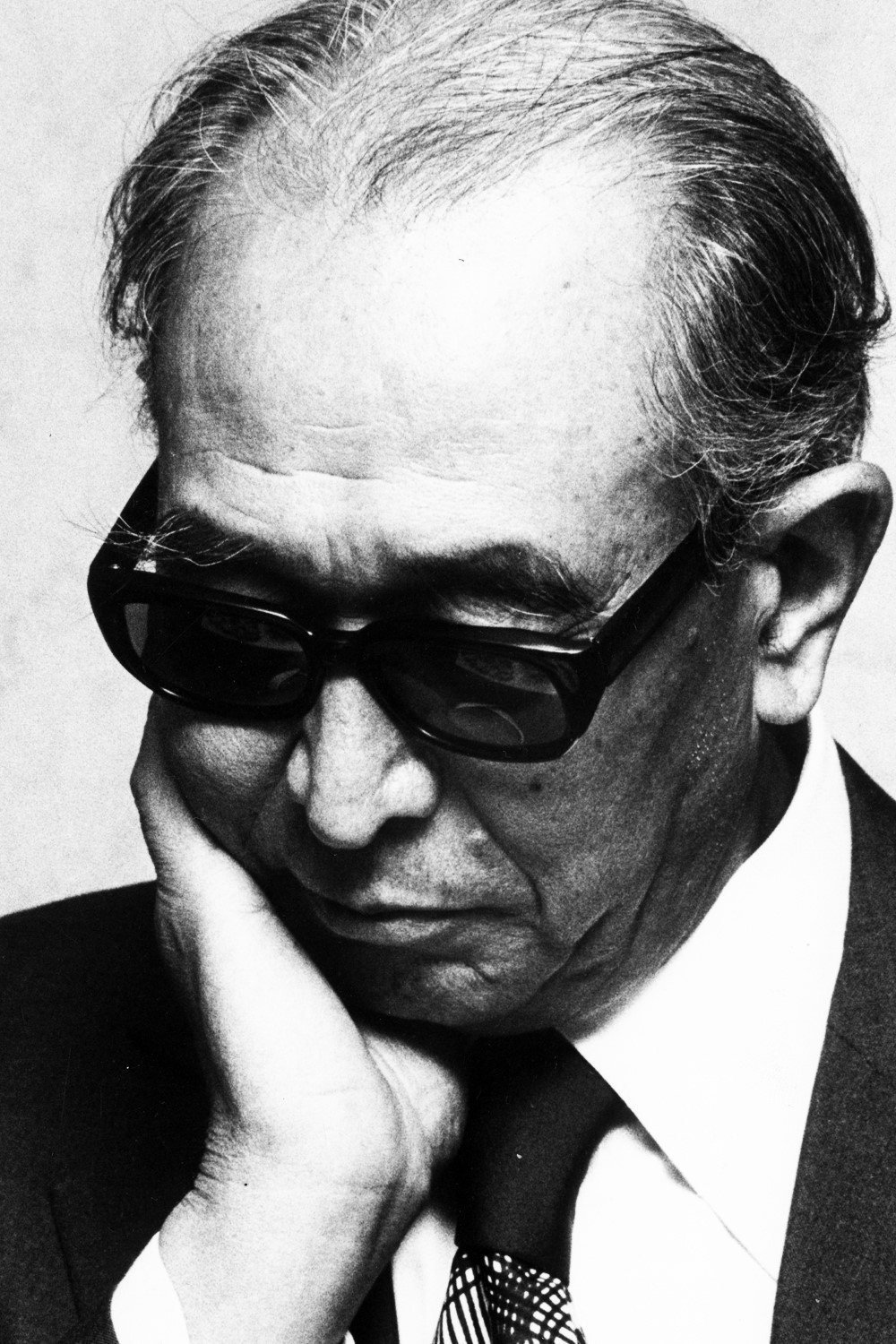
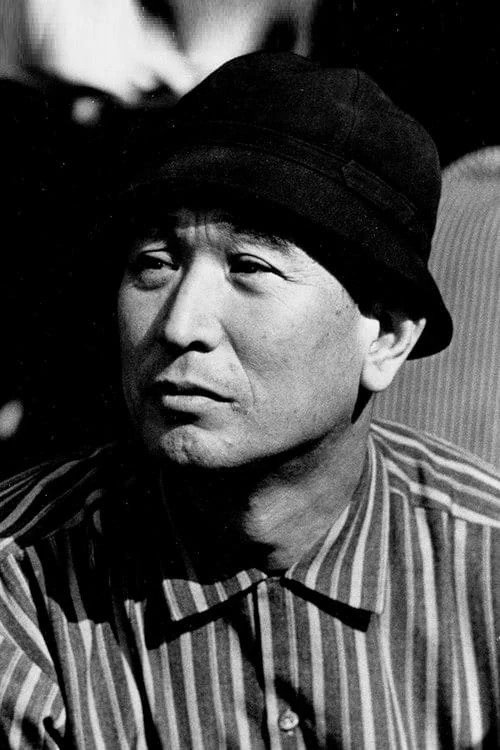
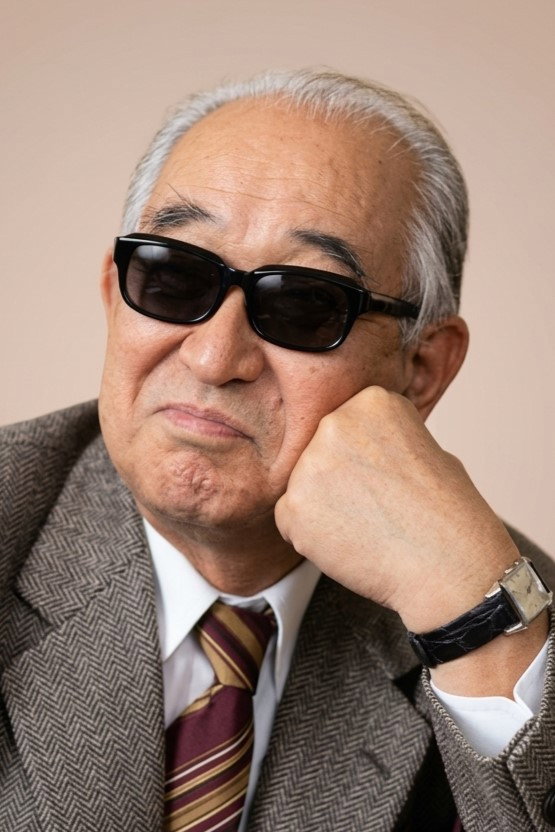
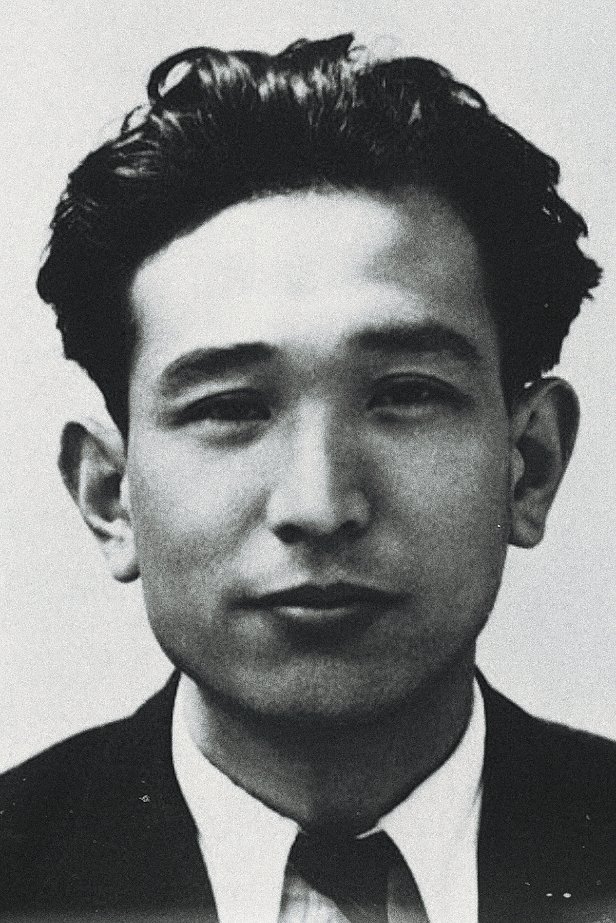
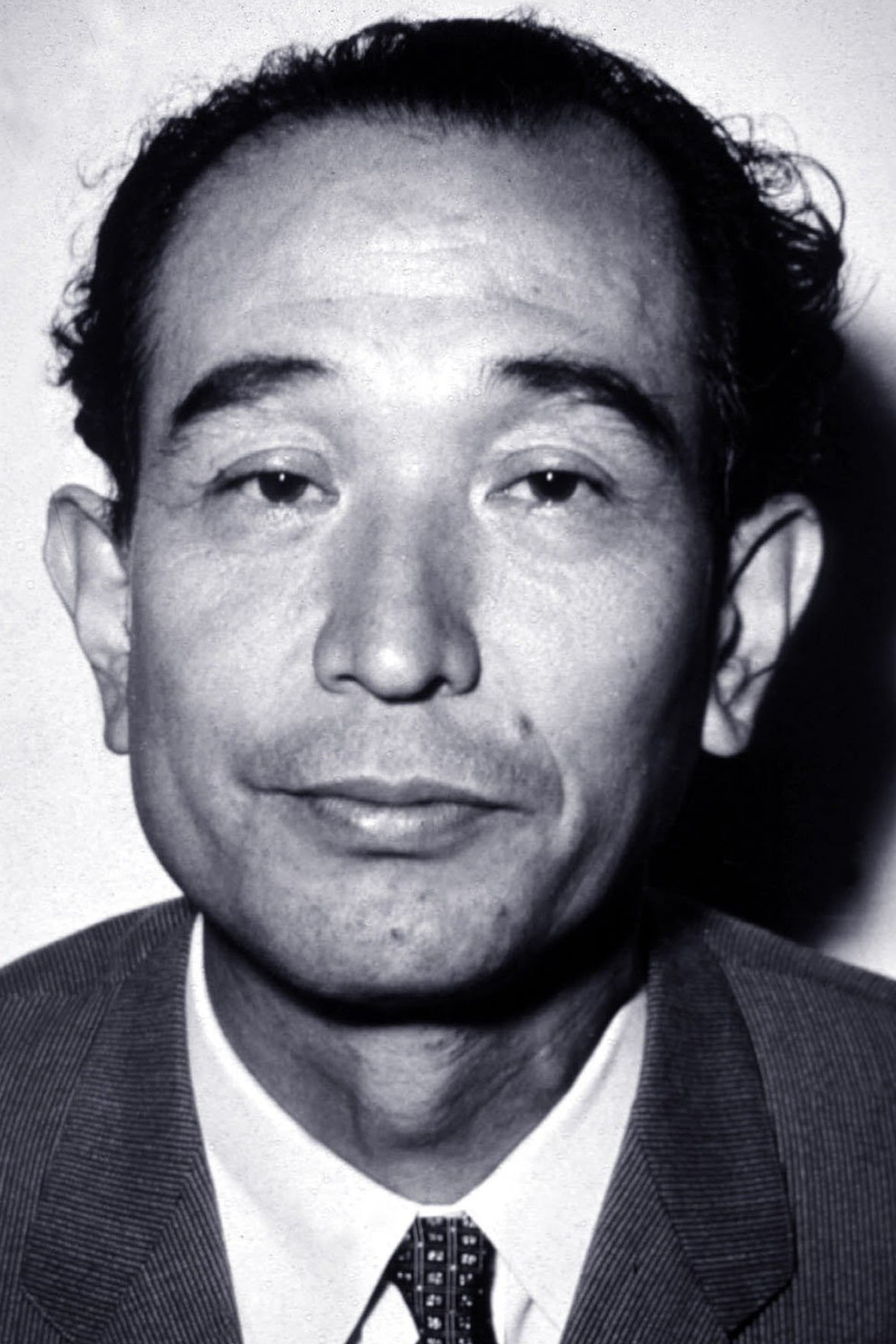
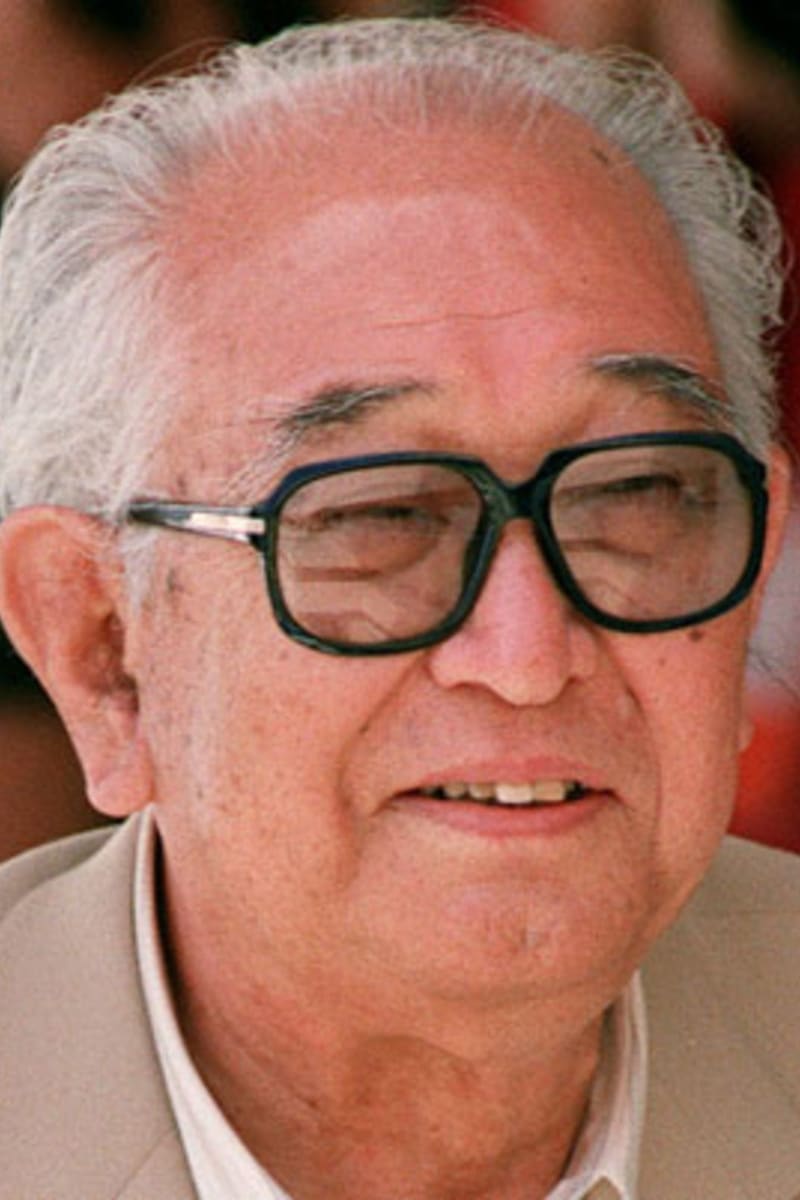
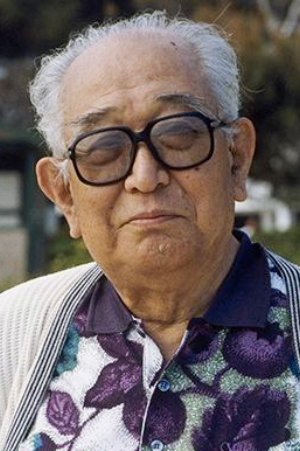
Akira Kurosawa (黒澤 明) was a Japanese filmmaker and painter who directed thirty films in a career spanning over five decades. He is widely regarded as one of the greatest and most influential filmmakers in the history of cinema. He displayed a bold, dynamic style, strongly influenced by Western cinema yet distinct from it; he was involved with all aspects of film production. Kurosawa entered the Japanese film industry in 1936, following a brief stint as a painter. After years of working on numerous films as an assistant director and scriptwriter, he made his debut as a director during World War II with the popular action film Sanshiro Sugata (1943). After the war, the critically acclaimed Drunken Angel (1948), in which Kurosawa cast the then little-known actor Toshiro Mifune in a starring role, cemented the director's reputation as one of the most important young filmmakers in Japan. The two men would go on to collaborate on another fifteen films. Rashomon (1950), which premiered in Tokyo, became the surprise winner of the Golden Lion at the 1951 Venice Film Festival. The commercial and critical success of that film opened up Western film markets for the first time to the products of the Japanese film industry, which in turn led to international recognition for other Japanese filmmakers. Kurosawa directed approximately one film per year throughout the 1950s and early 1960s, including a number of highly regarded (and often adapted) films, such as Ikiru (1952), Seven Samurai (1954), Throne of Blood (1957), Yojimbo (1961) and High and Low (1963). After the 1960s he became much less prolific; even so, his later work—including two of his final films, Kagemusha (1980) and Ran (1985)—continued to receive great acclaim. In 1990, he accepted the Academy Award for Lifetime Achievement. Posthumously, he was named Asian of the Century in the Arts, Literature, and Culture category by AsianWeek magazine and CNN, cited there as being among the five people who most prominently contributed to the improvement of Asia in the 20th century. His career has been honored by many retrospectives, critical studies and biographies in both print and video, and by releases in many consumer media.

|
Highest 2 Lowest (2025) Original Film Writer |

|
Setan Alas! (2023) Thanks |
|
Living (2022) Original Film Writer |

|
The Magnificent Seven (2016) Original Film Writer |
|
อุโมงค์ผาเมือง (2011) Original Story |
|
隠し砦の三悪人 (2008) Original Story |
|
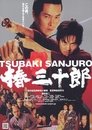
椿三十郎 (2007) Writer |
|
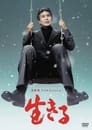
生きる (2007) Screenplay |
|
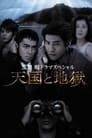
天国と地獄 (2007) Original Film Writer |
|
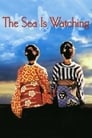
海は見ていた (2002) Screenplay |
|
どら平太 (2000) Screenplay |
|
雨あがる (2000) Title Designer |
|
|
雨あがる (2000) Screenplay |
|
Ghost Dog: The Way of the Samurai (1999) Thanks |

|
Inferno (1999) Original Film Writer |

|
MISTY (1997) Original Film Writer |
|
Last Man Standing (1996) Original Film Writer |

|
まあだだよ (1993) Director |
|
|
まあだだよ (1993) Editor |
|
|
まあだだよ (1993) Screenplay |

|
画像: 黒澤の連続性 (1993) Original Story |
|
|
画像: 黒澤の連続性 (1993) Storyboard |
|
|
画像: 黒澤の連続性 (1993) Concept Artist |
|
|
画像: 黒澤の連続性 (1993) Original Story |
|
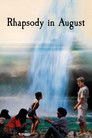
八月の狂詩曲 (1991) Director |
|
|
八月の狂詩曲 (1991) Editor |
|
|
八月の狂詩曲 (1991) Screenplay |

|
夢 (1990) Director |
|
|
夢 (1990) Storyboard Artist |
|
|
夢 (1990) Writer |
|
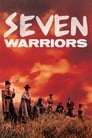
忠義群英 (1989) Original Film Writer |
|
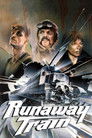
Runaway Train (1985) Original Film Writer |
|
|
Runaway Train (1985) Story |
|
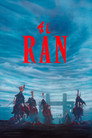
乱 (1985) Director |
|
|
乱 (1985) Screenplay |
|
|
乱 (1985) Editor |
|
|
乱 (1985) Storyboard Artist |
|
The Warrior and the Sorceress (1984) Original Film Writer |

|
I sette magnifici gladiatori (1983) Original Film Writer |

|
Battle Beyond the Stars (1980) Original Story |
|
影武者 (1980) Director |
|
|
影武者 (1980) Screenplay |
|
|
影武者 (1980) Producer |
|
|
影武者 (1980) Editor |
|
|
影武者 (1980) Storyboard Artist |
|
Il conto è chiuso (1976) Original Film Writer |
|
Дерсу Узала (1975) Director |
|
|
Дерсу Узала (1975) Screenplay |
|
野良犬 (1973) Original Story |

|
The Magnificent Seven Ride! (1972) Original Concept |
|
どですかでん (1970) Director |
|
|
どですかでん (1970) Screenplay |
|
|
どですかでん (1970) Executive Producer |

|
馬の歌 (1970) Director |
|
|
馬の歌 (1970) Writer |

|
座頭市と用心棒 (1970) Original Concept |
|
Guns of the Magnificent Seven (1969) Original Concept |
|
血城 (1968) Original Film Writer |
|
Return of the Seven (1966) Original Concept |
|
Django (1966) Original Film Writer |
|
姿三四郎 (1965) Writer |
|
|
姿三四郎 (1965) Producer |
|
赤ひげ (1965) Director |
|
|
赤ひげ (1965) Editor |
|
|
赤ひげ (1965) Screenplay |
|
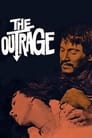
The Outrage (1964) Original Story |
|
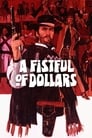
Per un pugno di dollari (1964) Original Story |
|
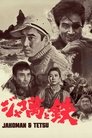
ジャコ萬と鉄 (1964) Screenplay |

|
五十万人の遺産 (1963) Editor |
|
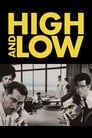
天国と地獄 (1963) Director |
|
|
天国と地獄 (1963) Screenplay |
|
|
天国と地獄 (1963) Editor |
|
|
天国と地獄 (1963) Associate Producer |
|
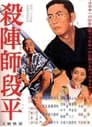
殺陣師段平 (1962) Screenplay |
|
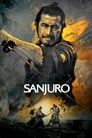
椿三十郎 (1962) Director |
|
|
椿三十郎 (1962) Screenplay |
|
|
椿三十郎 (1962) Editor |
|
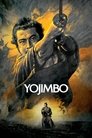
用心棒 (1961) Director |
|
|
用心棒 (1961) Screenplay |
|
|
用心棒 (1961) Producer |
|
|
用心棒 (1961) Editor |

|
Play of the Week: Rashomon (1960) Original Film Writer |
|
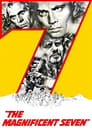
The Magnificent Seven (1960) Original Film Writer |

|
悪い奴ほどよく眠る (1960) Director |
|
|
悪い奴ほどよく眠る (1960) Writer |
|
|
悪い奴ほどよく眠る (1960) Producer |
|
|
悪い奴ほどよく眠る (1960) Editor |
|
戦国群盗傳 (1959) Script |
|
|
戦国群盗傳 (1959) Writer |
|
隠し砦の三悪人 (1958) Director |
|
|
隠し砦の三悪人 (1958) Producer |
|
|
隠し砦の三悪人 (1958) Screenplay |
|
|
隠し砦の三悪人 (1958) Editor |
|
日露戦争勝利の秘史 敵中横断三百里 (1957) Screenplay |
|
どん底 (1957) Director |
|
|
どん底 (1957) Producer |
|
|
どん底 (1957) Editor |
|
|
どん底 (1957) Screenplay |
|
蜘蛛巣城 (1957) Director |
|
|
蜘蛛巣城 (1957) Screenplay |
|
|
蜘蛛巣城 (1957) Producer |
|
|
蜘蛛巣城 (1957) Editor |
|
生きものの記録 (1955) Director |
|
|
生きものの記録 (1955) Story |
|
あすなろ物語 (1955) Screenplay |
|
|
あすなろ物語 (1955) Editor |
|
消えた中隊 (1955) Screenplay |

|
七人の侍 (1954) Director |
|
|
七人の侍 (1954) Screenplay |
|
|
七人の侍 (1954) Editor |
|
吹けよ春風 (1953) Screenplay |
|
生きる (1952) Director |
|
|
生きる (1952) Editor |
|
|
生きる (1952) Screenplay |
|
戦国無頼 (1952) Screenplay |
|
虎の尾を踏む男達 (1952) Director |
|
|
虎の尾を踏む男達 (1952) Writer |
|
|
虎の尾を踏む男達 (1952) Screenplay |

|
荒木又右衛門 決闘鍵屋の辻 (1952) Writer |
|
獣の宿 (1951) Screenplay |
|
白痴 (1951) Director |
|
|
白痴 (1951) Editor |
|
|
白痴 (1951) Screenplay |
|
愛と憎しみの彼方へ (1951) Screenplay |

|
殺陣師段平 (1950) Adaptation |
|
羅生門 (1950) Director |
|
|
羅生門 (1950) Screenplay |
|
|
羅生門 (1950) Editor |
|
ジルバの鉄 (1950) Screenplay |
|
醜聞 (1950) Director |
|
|
醜聞 (1950) Screenplay |
|
暁の脱走 (1950) Screenplay |
|
野良犬 (1949) Director |
|
|
野良犬 (1949) Writer |
|
|
野良犬 (1949) Associate Producer |
|
ジャコ萬と鉄 (1949) Writer |
|
春の戯れ (1949) Producer |
|
静かなる決闘 (1949) Director |
|
|
静かなる決闘 (1949) Writer |
|
地獄の貴婦人 (1949) Writer |
|
肖像 (1948) Screenplay |

|
醉いどれ天使 (1948) Director |
|
|
醉いどれ天使 (1948) Writer |
|
銀嶺の果て (1947) Screenplay |
|
素晴らしき日曜日 (1947) Director |
|
|
素晴らしき日曜日 (1947) Screenplay |
|
四つの恋の物語 (1947) Screenplay |
|
わが青春に悔なし (1946) Director |
|
|
わが青春に悔なし (1946) Writer |
|
|
わが青春に悔なし (1946) Editor |
|
明日を創る人々 (1946) Director |
|
續 姿三四郎 (1945) Director |
|
|
續 姿三四郎 (1945) Screenplay |
|
天晴れ一心太助 (1945) Screenplay |
|
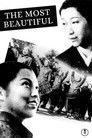
一番美しく (1944) Director |
|
|
一番美しく (1944) Writer |
|
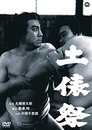
土俵祭 (1944) Writer |
|
愛の世界 山猫とみの話 (1943) Writer |
|
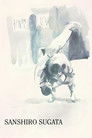
姿三四郎 (1943) Director |
|
|
姿三四郎 (1943) Editor |
|
|
姿三四郎 (1943) Screenplay |
|
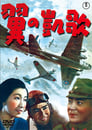
翼の凱歌 (1942) Writer |
|
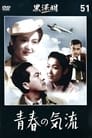
青春の気流 (1942) Story |
|
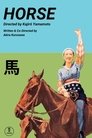
馬 (1941) Assistant Director |
|
|
馬 (1941) Writer |

|
エノケンの孫悟空 (1940) Assistant Director |
|
|
エノケンのざんぎり金太 (1940) Assistant Director |
|
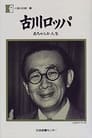
ロッパの新婚旅行 (1940) Assistant Director |
|
のんき横丁 (1939) Assistant Director |
|
エノケンのがっちり時代 (1939) Assistant Director |
|
|
エノケンのびっくり人生 (1938) Assistant Director |
|
綴方教室 (1938) Assistant Director |
|
藤十郎の恋 (1938) Assistant Director |
|
地熱 (1938) Assistant Director |
|
美しき鷹 (1937) Assistant Director |

|
エノケンのちゃっきり金太 後篇 第三話 帰りは怖いの巻 第四話 まてば日和の巻 (1937) Third Assistant Director |

|
エノケンのちゃっきり金太 (1937) Third Assistant Director |

|
雪崩 (1937) Second Unit |
|
|
雪崩 (1937) Assistant Director |
|
日本女性読本 (1937) Third Assistant Director |

|
良人の貞操: た秋が来たら (1937) Third Assistant Director |
|
良人の貞操: 春が来てまた秋が来たら (1937) Third Assistant Director |

|
良人の貞操: 前篇 春来れば (1937) Third Assistant Director |

|
戦国群盗伝 後篇 暁の前進 (1937) Third Assistant Director |

|
戦国群盗傳 前篇 虎狼 (1937) Third Assistant Director |
|
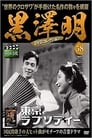
東京ラプソディー (1936) Third Assistant Director |

|
続エノケンの千万長者 (1936) Third Assistant Director |

|
エノケンの千万長者 (1936) Third Assistant Director |

|
處女花園 (1936) Assistant Director |
|
|
A Fistful of Dollars Remake () Original Film Writer |