

10/12/1910
Rohatyn, Galicia, Austria-Hungary [now Ukraine]:
Norbert Glanzberg (12 October 1910 in Rohatyn, Austria-Hungary – 25 February 2001 in Paris) was a Galician-born French composer. Mostly a composer of film music and songs, he was also notable for some famous songs of Édith Piaf. In his twenties he lived in Germany, where he began his career scoring films for directors including Billy Wilder and Max Ophüls. When the Nazi regime came to power there in 1933, he, as a Jew, fled to Paris, where he performed in nightclubs under bandleaders such as Django Reinhardt, which is where he first met Piaf. At different times from 1939 to 1945 he toured with Piaf, when he wrote many of her songs and accompanied her on piano when she sang. For many of those years they were lovers, and Piaf saved his life on more than one occasion by hiding him from both the French Vichy police, who were helping the Nazis round up Jews for deportation, and later from the Nazi occupiers themselves. After the war he continued writing film scores for French films along with composing classical music, which included works and songs from Berlin and romantic classics. At the end of his career he wrote a concerto for two pianos in 1985 which was inspired by the novels of Isaac Bashevis Singer. Norbert Glanzberg was born from Jewish parents in Rohatyn in Galicia in the dual Austro-Hungarian Royal and Imperial Monarchy. His original name was Nathan, changed to Norbert when he arrived in Germany. In 1911, his family moved to Würzburg in Bavaria, where Norbert received his first harmonica from his mother, which gave rise to the question: "Why does music laugh, why does music cry?" He entered the Conservatory of Würzburg in 1922, already a passionate, and he was appointed as assistant conductor of Aix-la-Chapelle in 1929, where he would meet Béla Bartók and Alban Berg. Hired by the UFA (Universum Film AG) as a composer in 1930, 21-year-old Glanzberg wrote a film scores for Billy Wilder's German comedy The Wrong Husband and for Max Ophüls' comedy Cod Liver Oil is Preferred. He also wrote scores for opera music and was musical director for concerts in 1930, including ones by dancer Ellen Von Frankenberg. When the Nazi regime came into power in Germany in 1933, Joseph Goebbels referred to Glanzberg in the NSDAP newspaper, Der Angriff, as a degenerate Jewish artist. Glanzberg then went into exile in Paris. In 1935 he met another exile in Paris, guitarist and bandleader Django Reinhardt, and became his pianist when his band played in Paris clubs. They played the evening that Edith Piaf first performed in front of an audience, after the club's manager heard her singing in the street and persuaded her to perform on stage. Piaf's powerful voice made an impression on Glanzberg, writes biographer Carolyn Burke. He performed and composed songs in music-halls in Paris in the years before the war. In 1938, he met French singer Lily Gauty, and wrote Le bonheur est entré dans mon cœur (Happiness has entered my heart) for her. He also accompanied singers performing in fashion collections shows. ... Source: Article "Norbert Glanzberg" from Wikipedia in English, licensed under CC-BY-SA 3.0.

|
Le bal des voyous (1968) Original Music Composer |
|
Une blonde comme ça (1963) Original Music Composer |
|
La Française et l'Amour (1960) Original Music Composer |
|
I battellieri del Volga (1959) Original Music Composer |
|
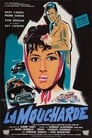
La Moucharde (1958) Original Music Composer |
|
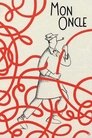
Mon oncle (1958) Original Music Composer |
|
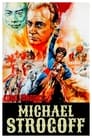
Michel Strogoff (1956) Original Music Composer |

|
La mariée est trop belle (1956) Original Music Composer |
|
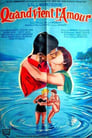
Quand vient l'amour (1956) Original Music Composer |

|
La Sorcière (1956) Original Music Composer |

|
La Lumière d'en face (1955) Original Music Composer |
|
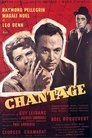
Chantage (1955) Original Music Composer |
|
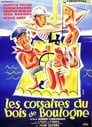
Les corsaires du Bois de Boulogne (1954) Music |

|
Ma petite folie (1954) Original Music Composer |
|
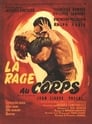
La Rage au corps (1954) Original Music Composer |
|
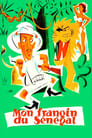
Mon frangin du Sénégal (1953) Original Music Composer |
|
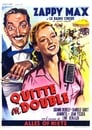
Quitte ou double (1952) Original Music Composer |
|
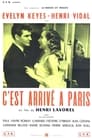
C'est arrivé à Paris (1952) Original Music Composer |
|
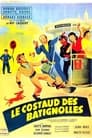
Le Costaud des Batignolles (1952) Original Music Composer |
|
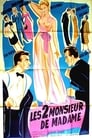
Les deux Monsieur de Madame (1951) Original Music Composer |

|
Valse brillante (1949) Music |
|
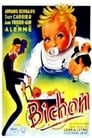
Bichon (1948) Original Music Composer |

|
9 garçons... un cœur ! (1948) Original Music Composer |
|
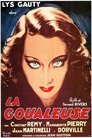
La Goualeuse (1938) Music |
|
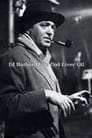
Dann schon lieber Lebertran (1931) Music |
|
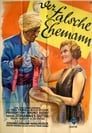
Der falsche Ehemann (1931) Original Music Composer |