
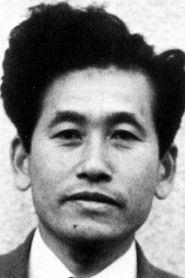
12/28/1916
Kyoto Prefecture, Japan:
Hiromichi Horikawa (28 November 1916 – 5 September 2012) was a Japanese director and assistant director. Akira Kurosawa’s assistant on numerous films including Ikiru (1952) and Seven Samurai (1954), Horikawa never achieved his mentor’s fame. Kurosawa himself scripted his directorial debut, Tomorrow I’ll Be a Fire-Tree (1955), about an adolescent and the first three women in his life. A concern with youthful experience was also visible in Horikawa’s second and third films, Summer in Eclipse (1956), a taiyōzoku (“sun tribe”) film based on a Shintarō Ishihara novel, and Last Days of the Samurai (1957), a reworking of the Chūshingura story that focused particularly on the youngest of the participating ronin and his fiancée. Another retelling of a classical Japanese story was the Chikamatsu adaptation The Oil-Hell Murder (1957), after which Horikawa returned to contemporary subject matter with The Naked General (1958), a portrait of mentally handicapped collage artist Kiyoshi Yamashita. During the sixties, Horikawa made several thrillers, the socially conscious aspects of which suggest the continuing influence of Kurosawa while also evoking Masaki Kobayashi, whose regular actor Tatsuya Nakadai appeared in The Blue Beast (1960), Pressure of Guilt (1963), and The Last Judgement (1965). Later, Horikawa’s drama Good-bye Moscow (1968) used the relationship between a Japanese jazz pianist, an American soldier on leave from Vietnam, and a group of young Russian dissidents as a metaphor for Japan’s situation in the Cold War era. The Militarists (1970) was a critical biopic of General Tōjō, which dramatized the military coup of February 26, 1936, while Sun Above, Death Below (1968) was a conventional if snappily edited thriller about a doomed hitman.

|
Kurosawa (2000) as Self |
|
エイジアン・ブルー 浮島丸サコン (1995) Director |
|
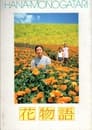
花物語 (1989) Director |
|
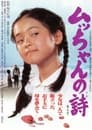
ムッちゃんの詩 (1985) Director |

|
翼は心につけて (1978) Director |
|
|
翼は心につけて (1978) Screenplay |
|
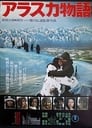
アラスカ物語 (1977) Director |
|
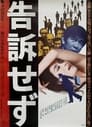
告訴せず (1975) Director |

|
王将 (1973) Director |

|
学園祭の夜 甘い経験 (1970) Director |

|
激動の昭和史 軍閥 (1970) Director |
|
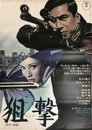
狙撃 (1968) Director |

|
さらばモスクワ愚連隊 (1968) Director |
|
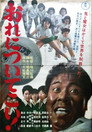
おれについてこい! (1965) Director |

|
最後の審判 (1965) Director |
|
Les Cinq Bienfaiteurs de Fumiko (1964) Director |

|
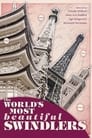
Les Plus Belles Escroqueries du monde (1964) Director |

|
悪の紋章 (1964) Director |
|
|
悪の紋章 (1964) Screenplay |
|
|
The Prodigal Son (1964) Director |
|
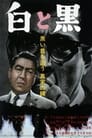
白と黒 (1963) Director |
|
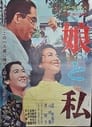
娘と私 (1962) Director |

|
猫と鰹節 ある詐話師の物語 (1961) Director |
|
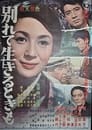
別れて生きるときも (1961) Director |
|
|
別れて生きるときも (1961) Writer |

|
青い野獣 (1960) Director |

|
黒い画集 あるサラリーマンの証言 (1960) Director |

|
すずかけの散歩道 (1959) Director |
|
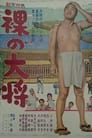
裸の大将 (1958) Director |

|
女殺し油地獄 (1957) Director |
|
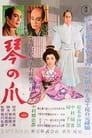
琴の爪 (1957) Director |
|
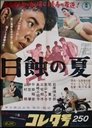
日蝕の夏 (1956) Director |
|
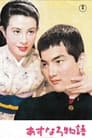
あすなろ物語 (1955) Director |

|
七人の侍 (1954) Assistant Director |
|
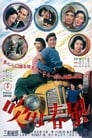
吹けよ春風 (1953) Assistant Director |
|
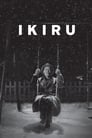
生きる (1952) Assistant Director |
|
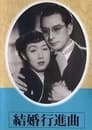
結婚行進曲 (1951) Assistant Director |