
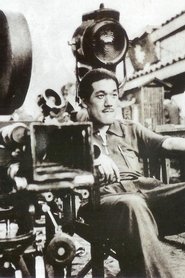
11/07/1909
Higashiyama, Kyōto, Japan:
Sadao Yamanaka (山中 貞雄, Yamanaka Sadao, November 7, 1909 – September 17, 1938) was a Japanese film director and screenwriter who directed 26 films between 1932 and 1938. He was a contemporary of Yasujirō Ozu, Mikio Naruse and Kenji Mizoguchi and one of the primary figures in the development of the jidaigeki, or historical film. Yamanaka began his career in the Japanese film industry at the age of 20 as a writer and assistant director for the Makino company. In 1932, he began working for Kanjuro Productions, a small, independent film company similar to many others founded during the same period as it was centered around a popular jidaigeki film star, this time Kanjuro Arashi. Here, he began directing his first films, all of which were jidaigeki. During his first year at Kanjuro, he made six films. He was "discovered" by the critic Matsuo Kishi and gained a reputation for creating films that escaped clichés and focused on social injustices. Early on, he had stated an interest in blurring the lines between several genres: comedy, historical epics, and comedy-dramas focusing on average people. Viewers and critics note in his surviving films the genesis of ideas later explored by the internationally successful Akira Kurosawa, Kenji Mizoguchi, Yasujirō Ozu and Seijun Suzuki. He formed the Narutaki-gumi with his friends, and they wrote under the pseudonym Kimpachi Kajiwara. Yamanaka has been characterized as a minimalist, one whose style favoured elegance and rhythm. During the 1930s he moved between several film companies, eventually settling in Kyoto and working for the Nikkatsu Company. Most of his films were silent films as sound did not gain a prominence in Japan until 1935-36. He worked twice with the Japanese theatre troupe Zenshin-za: first on The Village Tattooed Man (Machi no Irezumi-mono, 1935) and on his final film, Humanity and Paper Balloons. Yamanaka died of dysentery in Manchuria after being drafted into the Imperial Japanese Army. He is the uncle of the Japanese film director Tai Kato, who wrote a book about Yamanaka, Eiga kantoku Yamanaka Sadao. Only three of his films survive in nearly complete form. Description from the Wikipedia article Sadao Yamanaka, licensed under CC-BY-SA.

|
恋と十手と巾着切 (1963) Original Story |
|
戦国群盗傳 (1959) Screenplay |
|
朱鞘罷り通る (1956) Original Story |

|
旗本やくざ (1955) Original Story |
|
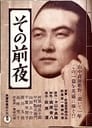
その前夜 (1939) Story |

|
人情紙風船 (1937) Director |

|
森の石松 (1937) Director |
|
|
森の石松 (1937) Screenplay |
|
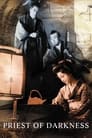
河内山宗俊 (1936) Director |

|
街の入墨者 (1935) Director |
|
|
街の入墨者 (1935) Screenplay |

|
丹下左膳餘話 百萬兩の壺 (1935) Director |
|
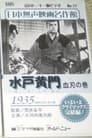
水戸黄門 血刃の巻 (1935) Writer |
|
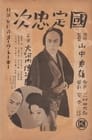
国定忠次 (1935) Director |
|
|
国定忠次 (1935) Story |
|
水戸黄門 密書の巻 (1935) Writer |
|
|
雁太郎街道 (1934) Director |
|
水戸黄門 来国次の巻 (1934) Screenplay |
|
|
風流活人剣 (1934) Director |
|
|
風流活人剣 (1934) Writer |
|
|
鼠小僧次郎吉 再び江戸の巻 (1933) Director |
|
|
鼠小僧次郎吉 再び江戸の巻 (1933) Screenplay |
|
|
鼠小僧次郎吉・江戸の巻 (1933) Director |
|
|
鼠小僧次郎吉・江戸の巻 (1933) Screenplay |
|
|
鼠小僧次郎吉・中篇 道中の巻 (1933) Director |
|
|
鼠小僧次郎吉・中篇 道中の巻 (1933) Screenplay |
|
盤嶽の一生 (1933) Screenplay |
|
|
盤嶽の一生 (1933) Director |
|
|
薩摩飛脚 剣光愛欲篇 (1933) Director |
|
|
薩摩飛脚 剣光愛欲篇 (1933) Screenplay |
|
|
小笠原壱岐守 (1932) Director |
|
|
小笠原壱岐守 (1932) Screenplay |
|
|
磯の源太 抱寝の長脇差 (1932) Director |
|
|
磯の源太 抱寝の長脇差 (1932) Screenplay |

|
右門捕物帖・六番手柄 仁念寺奇談 (1930) Writer |
|
|
右門一番手柄 南蛮幽霊 (1929) Screenplay |